The locomotive steamed west from Budapest, its steel plough slicing snow and hurling it aside in swathes. Its pistons pumped an incessant pulse, while the chimney belched a constant stream of smoke that billowed from tunnels and trailed behind to hover above the sleeping countryside. Cities fell away to become dense forests topped with silvery-blue moonlight that bathed the land from the hedgerows to the star-showered horizon. The Danube glinted beneath the cloudless sky until the train left the river to its meandering and sped away on its own path. The warm throw of yellow light from the dining car brushed banks and fields, the silhouettes of the wealthy rising and falling over cuttings in distorted shapes and vanishing as the carriages pounded across bridges. Firemen shovelled, stewards served, and passengers dreamt of elegance in gently rocking bunks, unaware of the urgent night cry of the whistle. The Orient Express kept its times…
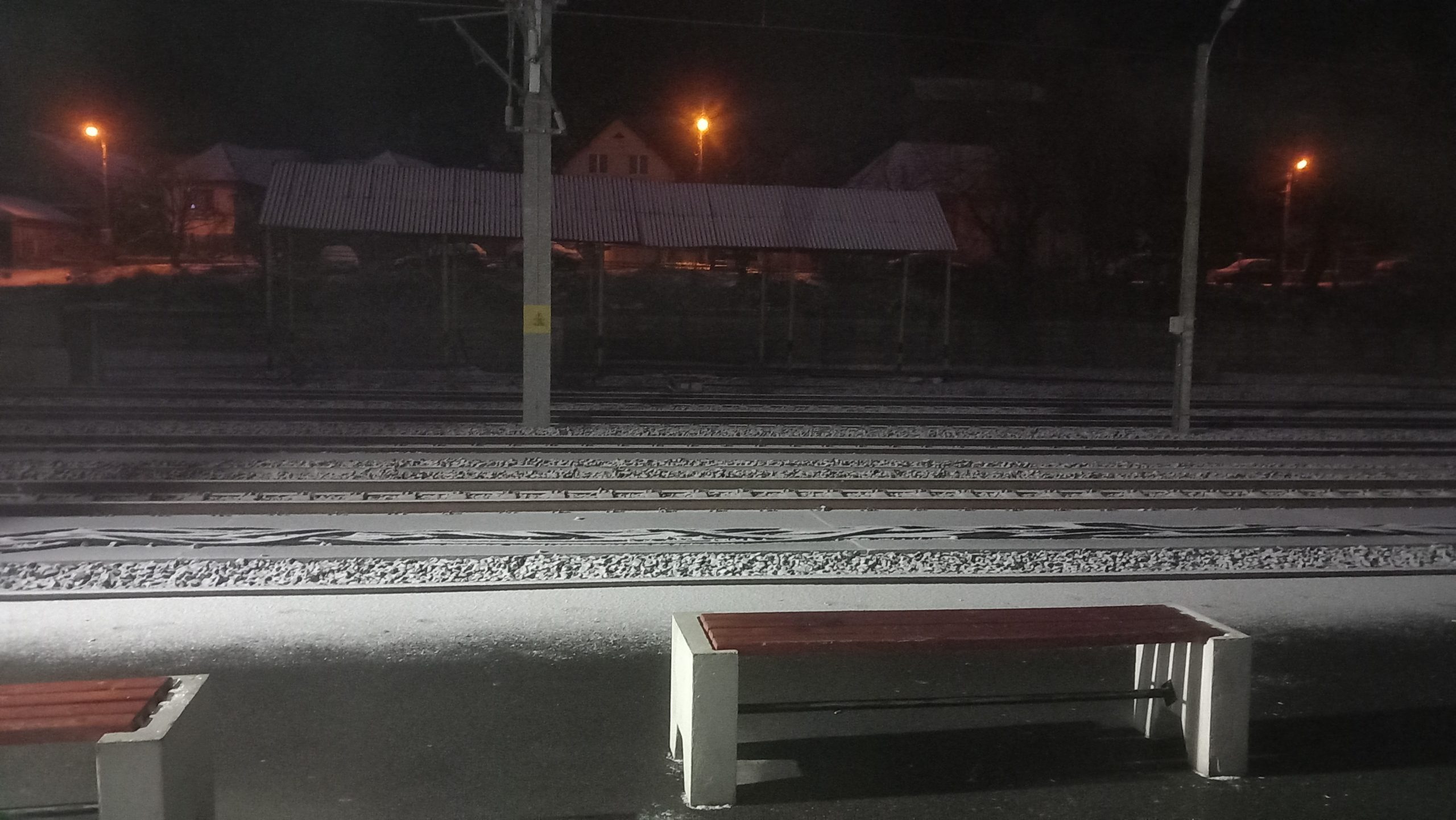
Thank you for thinking that was an extract from ‘Murder on the Orient Express.’ It was actually a transition scene from my ‘The Clearwater Inheritance,’ and the full section takes us from Budapest to Cornwall in one tracking shot of prose. Meanwhile, I’m taking a slower tracking shot from my bunk on the overnight train from Prague. Lying there and looking out of the window, I find us motionless by a snow-dusted platform, and we stay there for some time. I’m aware that people are outside. I can’t see them, but work is taking place somewhere, and there comes the occasional clunk of a carriage door. Eventually, the train moves away, silently at first, and then returning to the speed and rhythm that lulled me to sleep several hours ago. Then, we were in Hungary; now, we are in Romania, in the heart of the Transylvania region, and heading towards our next two-night stop.
Brașov
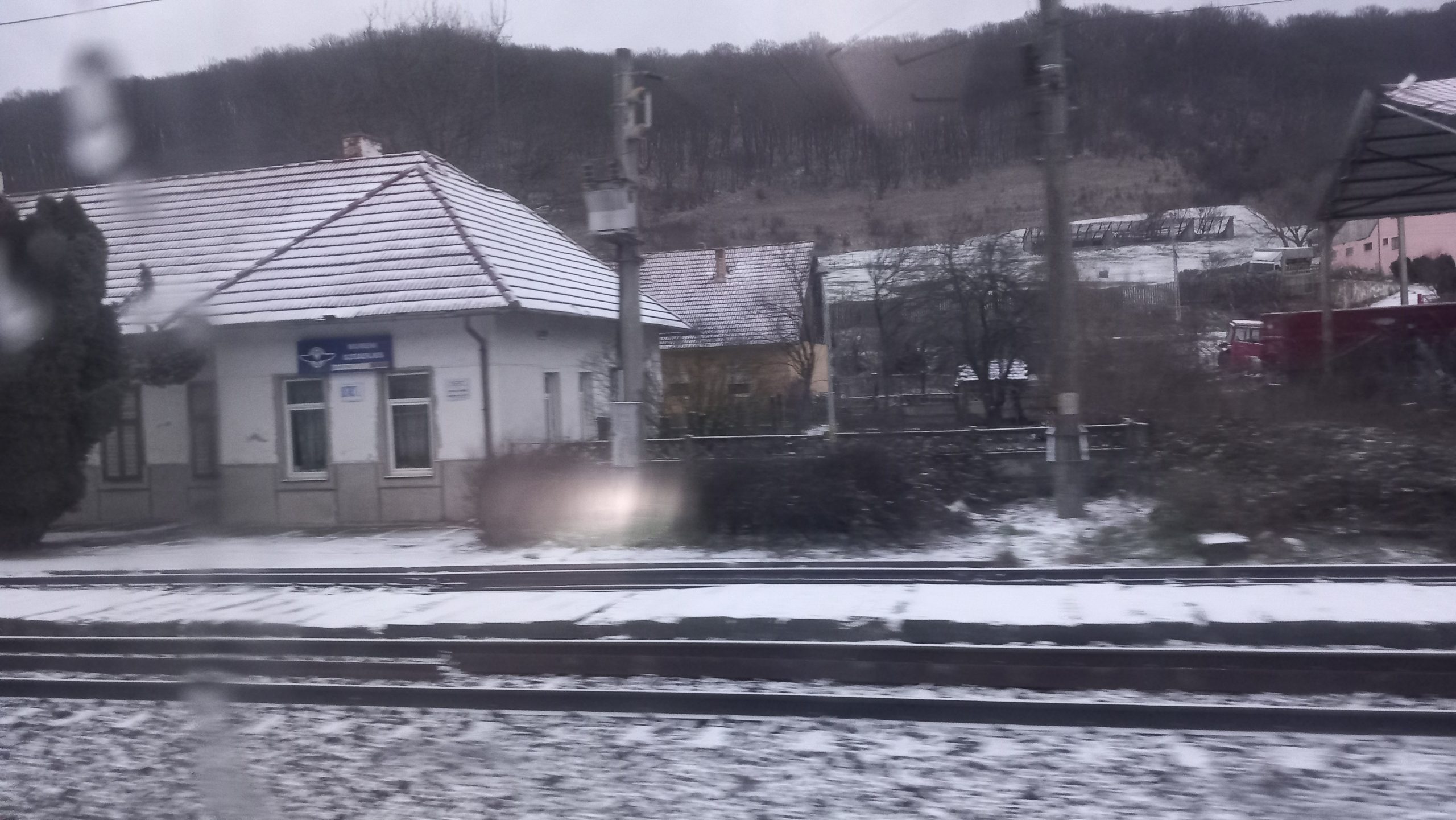
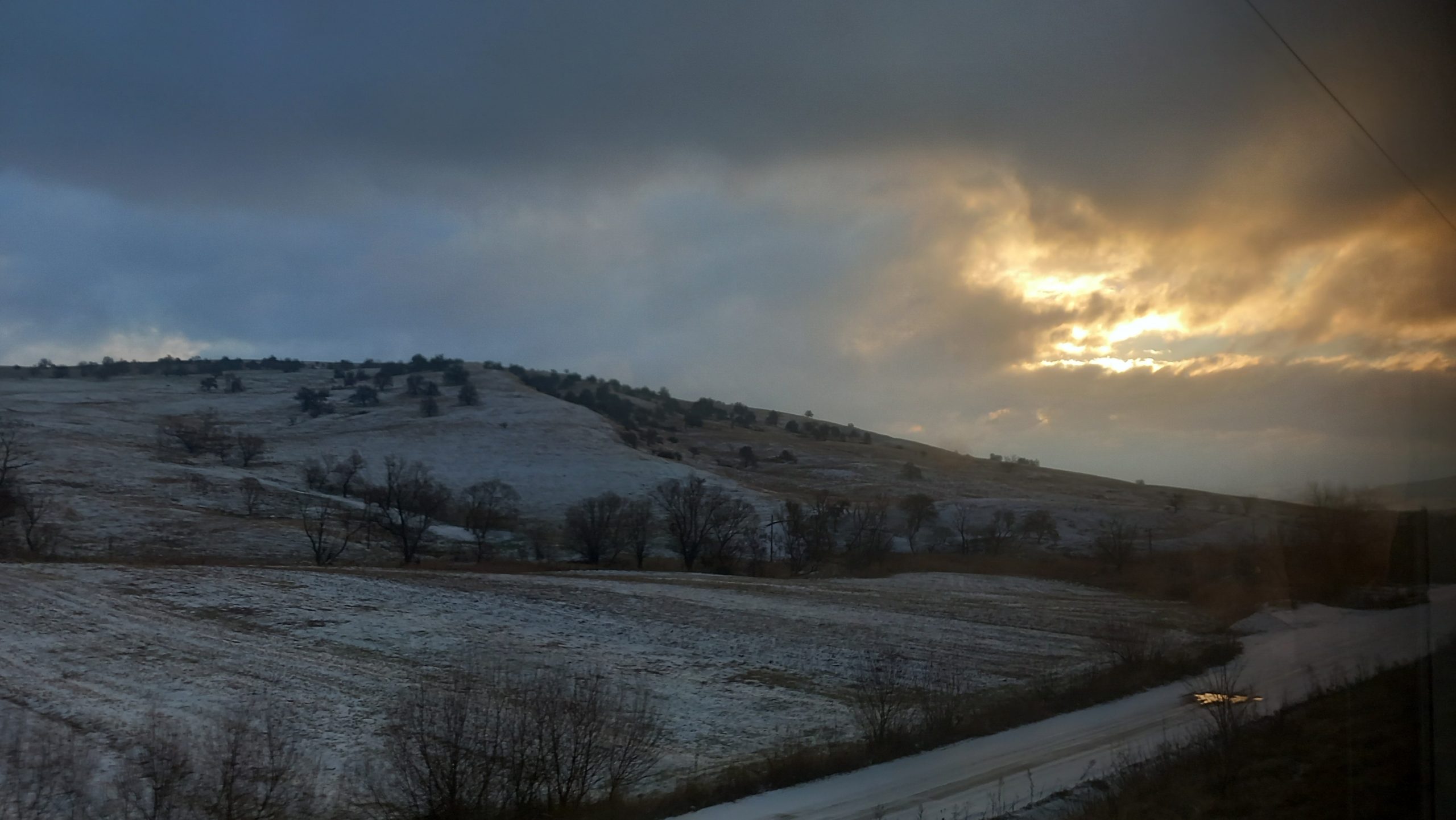
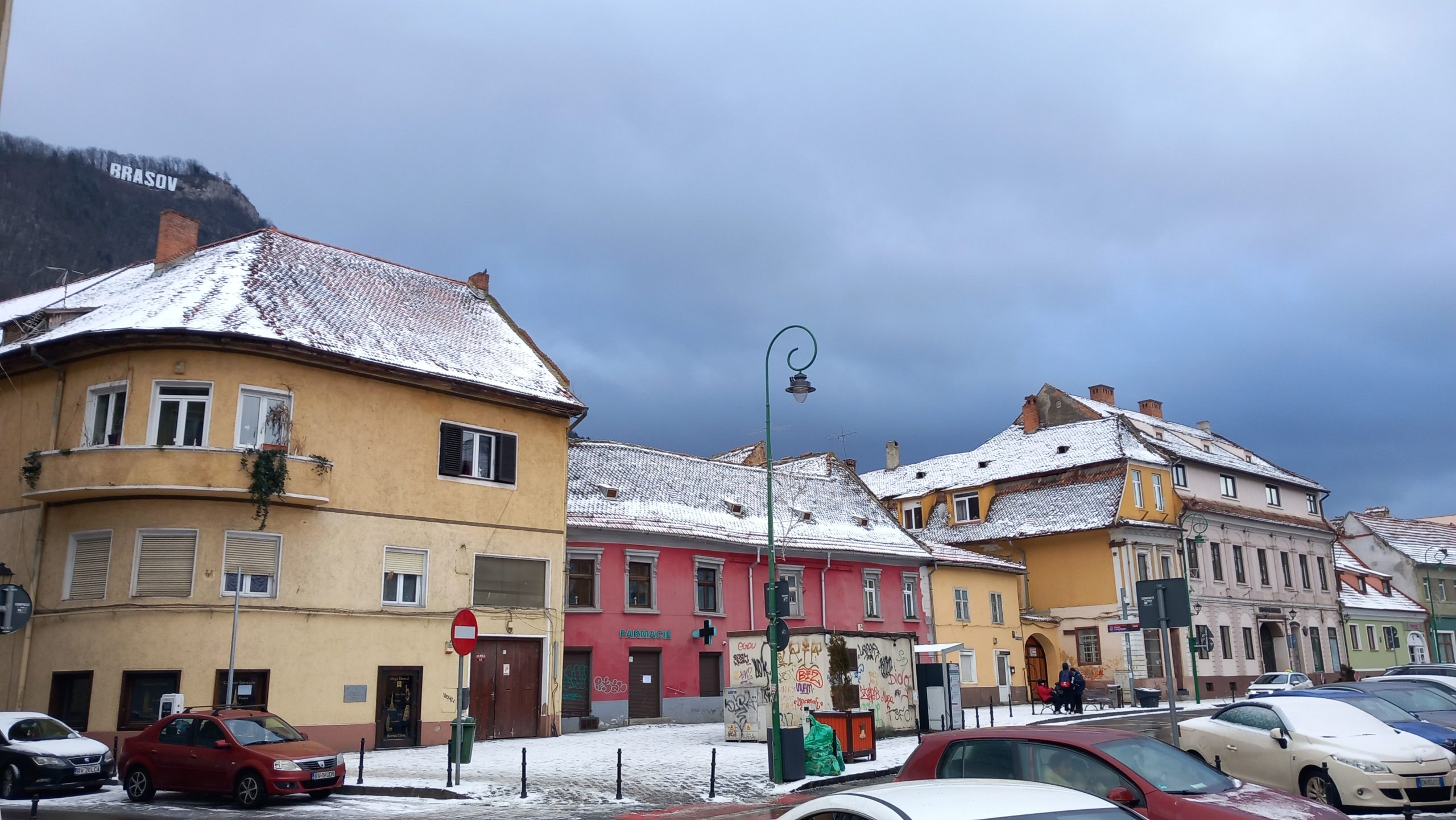
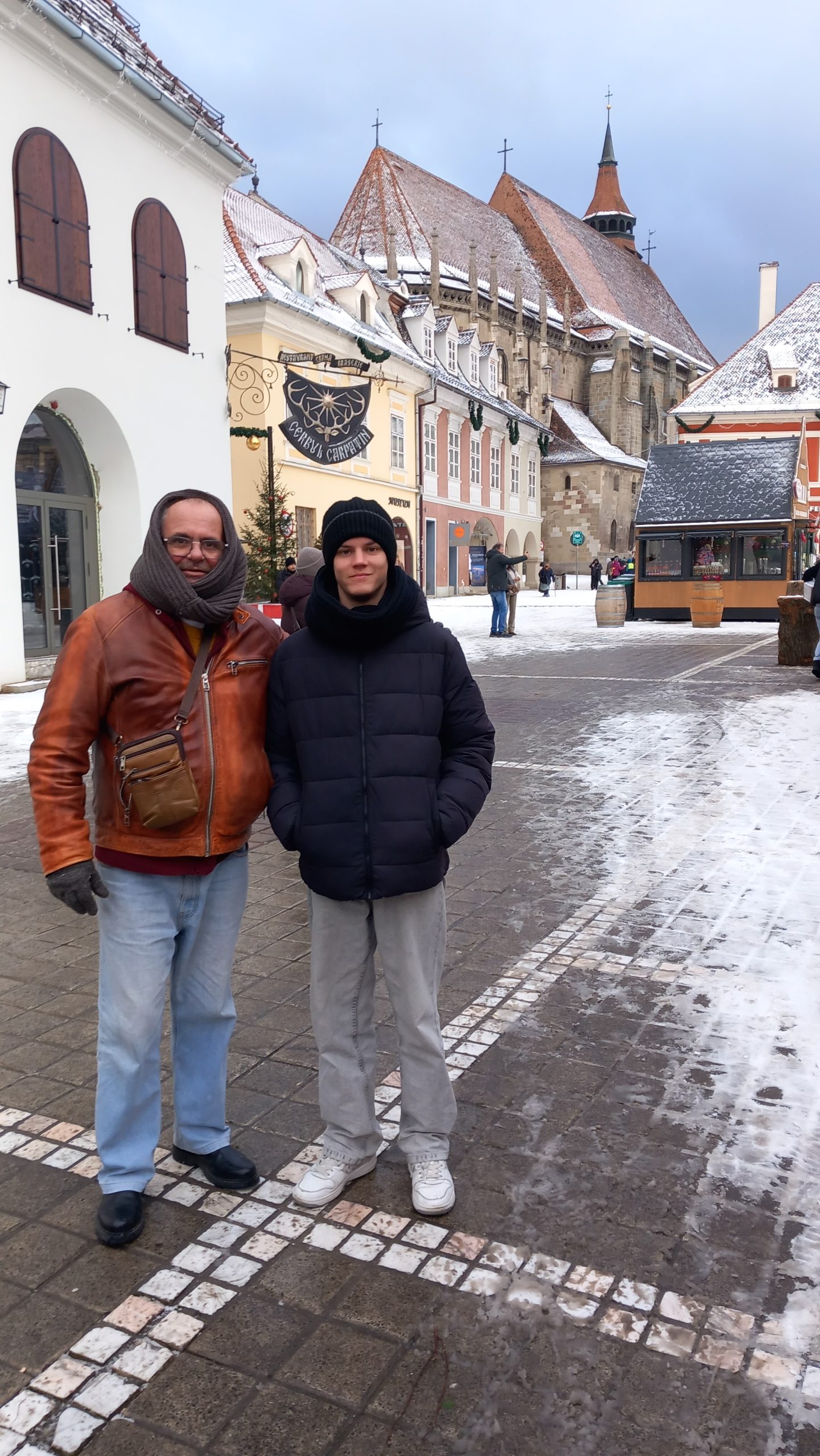
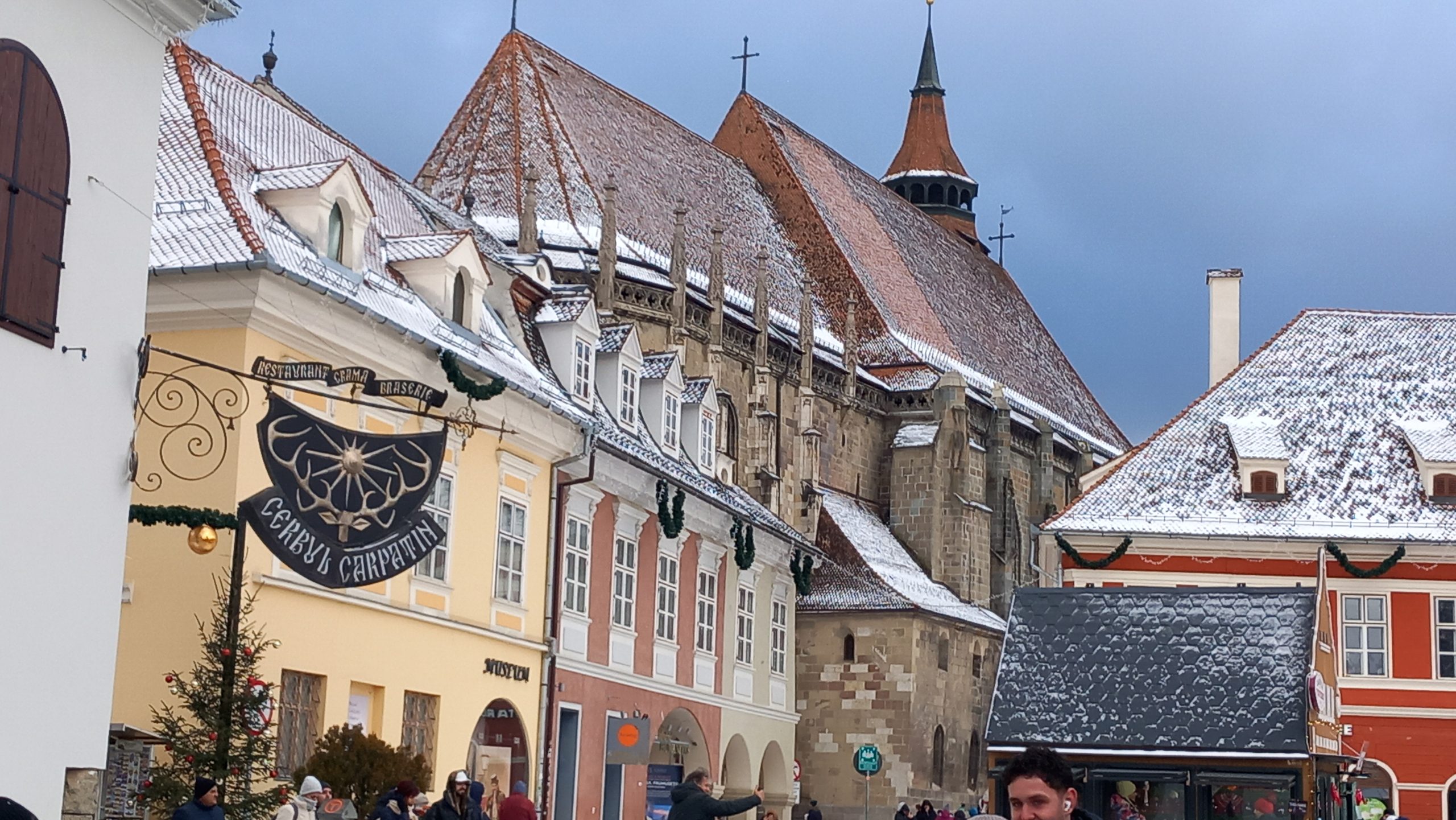
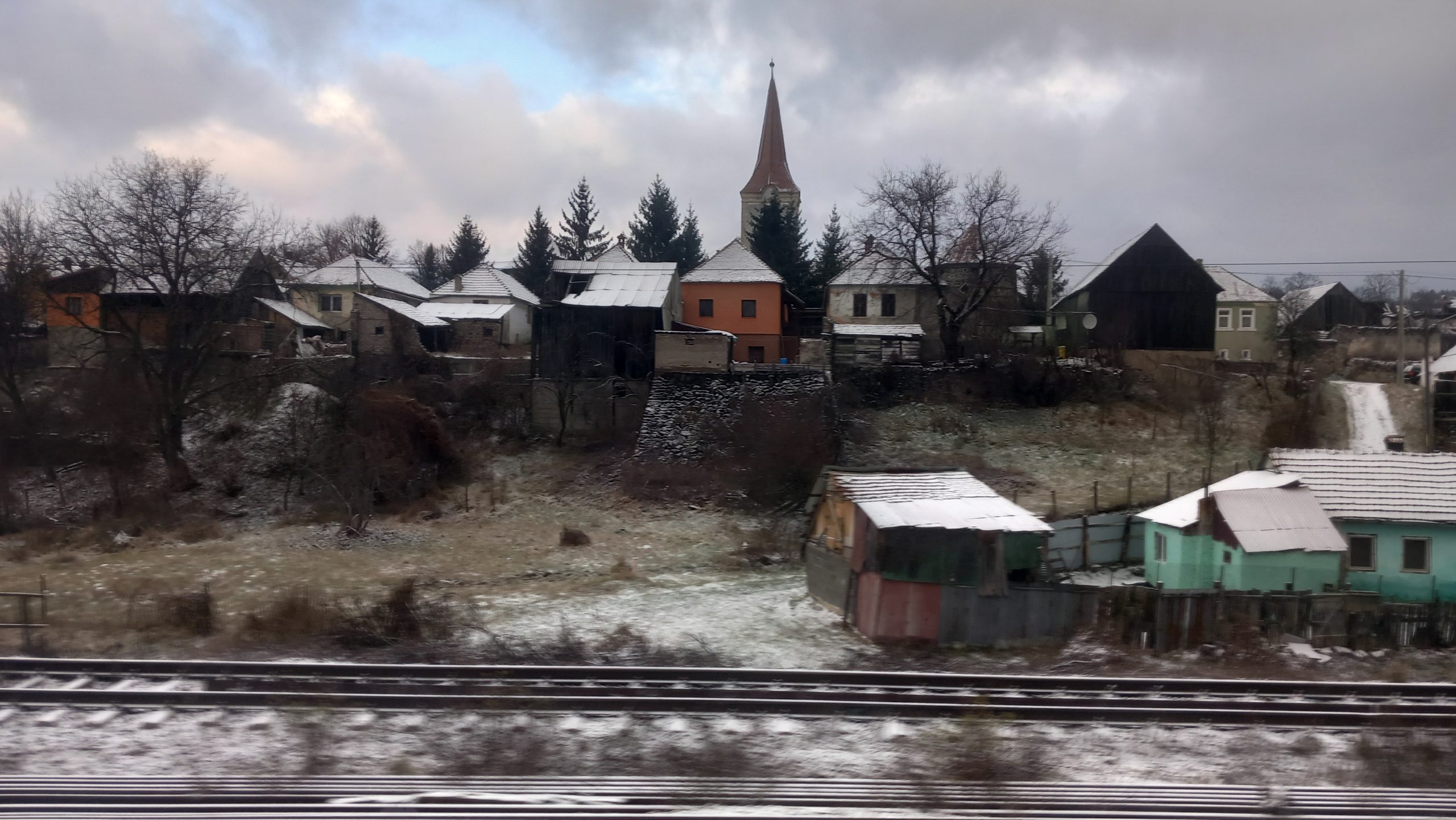
There was snow. Not as much as at this time in previous years, we were told, but still, there was some. Certainly more than has ever been seen on Symi. It became more apparent as the sun rose, and we passed rolling, tree-covered hills, houses dusted with icing sugar snow, wide fields and frozen rivers. The city of Brașov was the same, with the outskirts of town a collection of chillingly Communist-built housing projects, and the centre of town being a collection of all kinds of architecture, but the oldest part being a mix of medieval Saxon and Baroque. The railway station was a testament to the post war regimes throughout Eastern parts of Europe, functional but not fun, and we were approached by a secretive taxi driver before we’d left the building. This kind of touting still happens in places, and it used to happen on Symi as people disembarked from the boats. Maybe it still does. As it happened, our guy was a genuine taxi driver in a city cab, and all he was doing was jumping ahead of his colleagues (by touting inside) and offering his services for the whole day. Not those kinds of services, Mrs! Did we want a driver and a guide? He could take us to… Yeah. No. We’ve already got one booked for tomorrow.
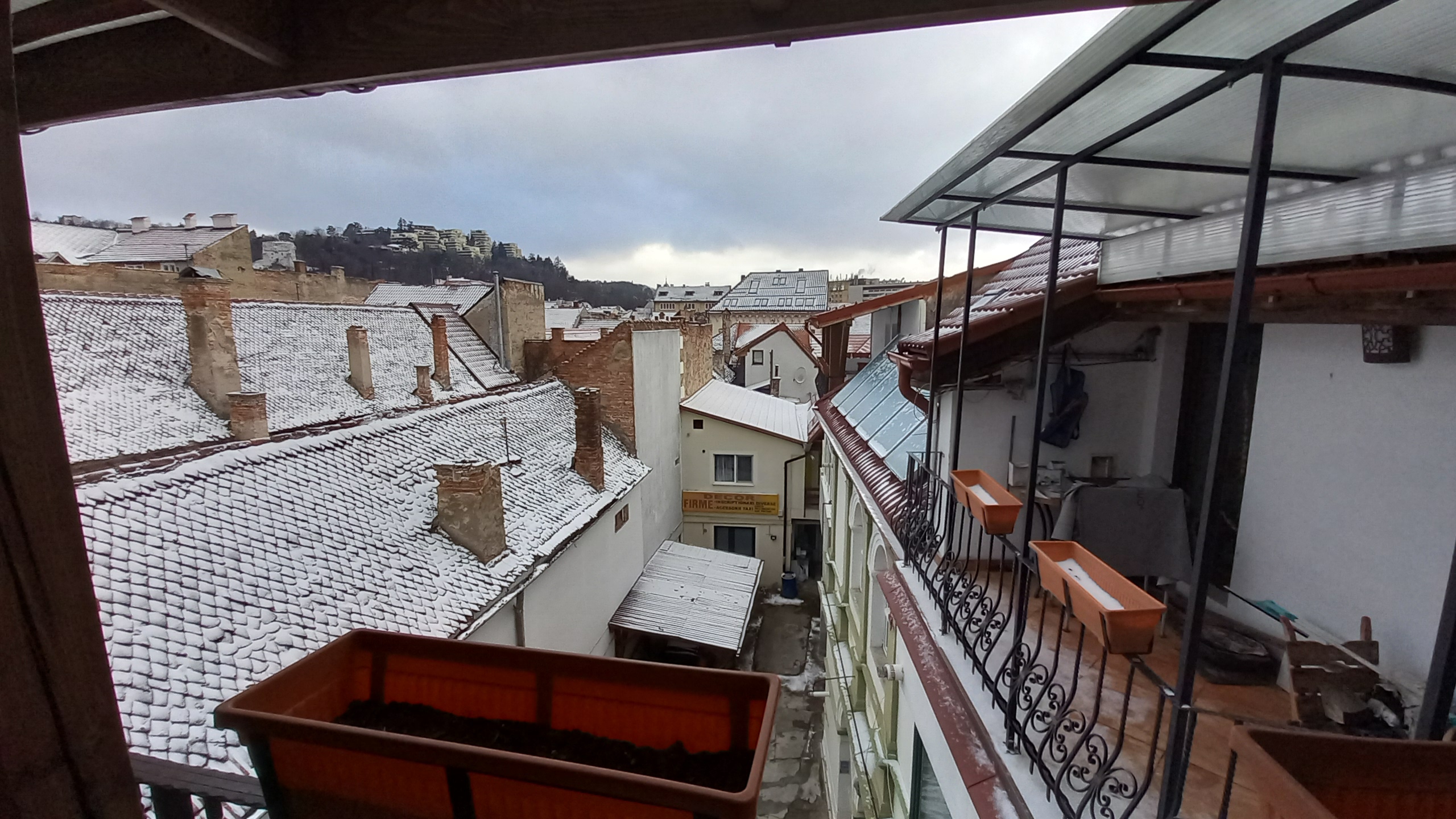
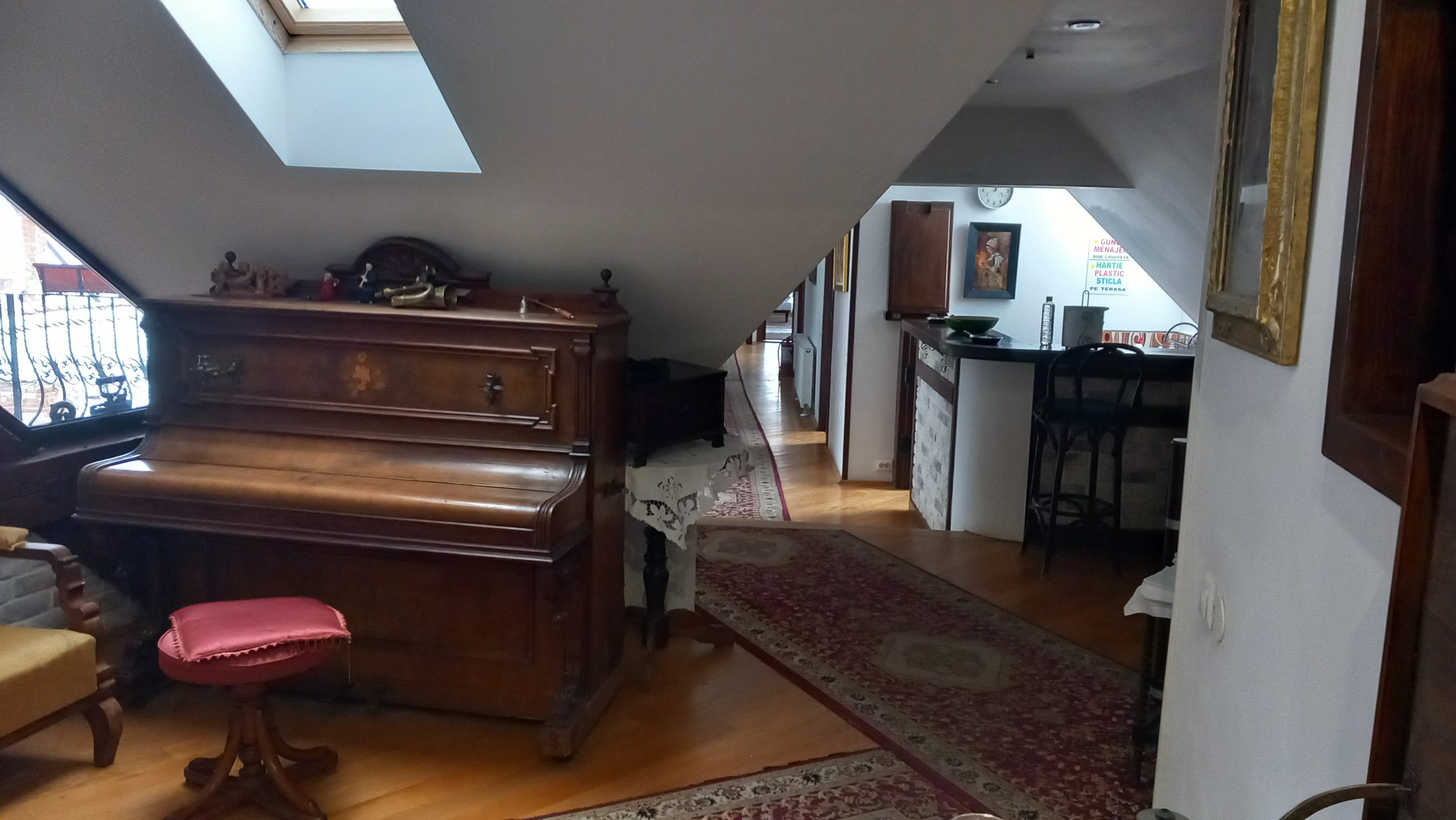
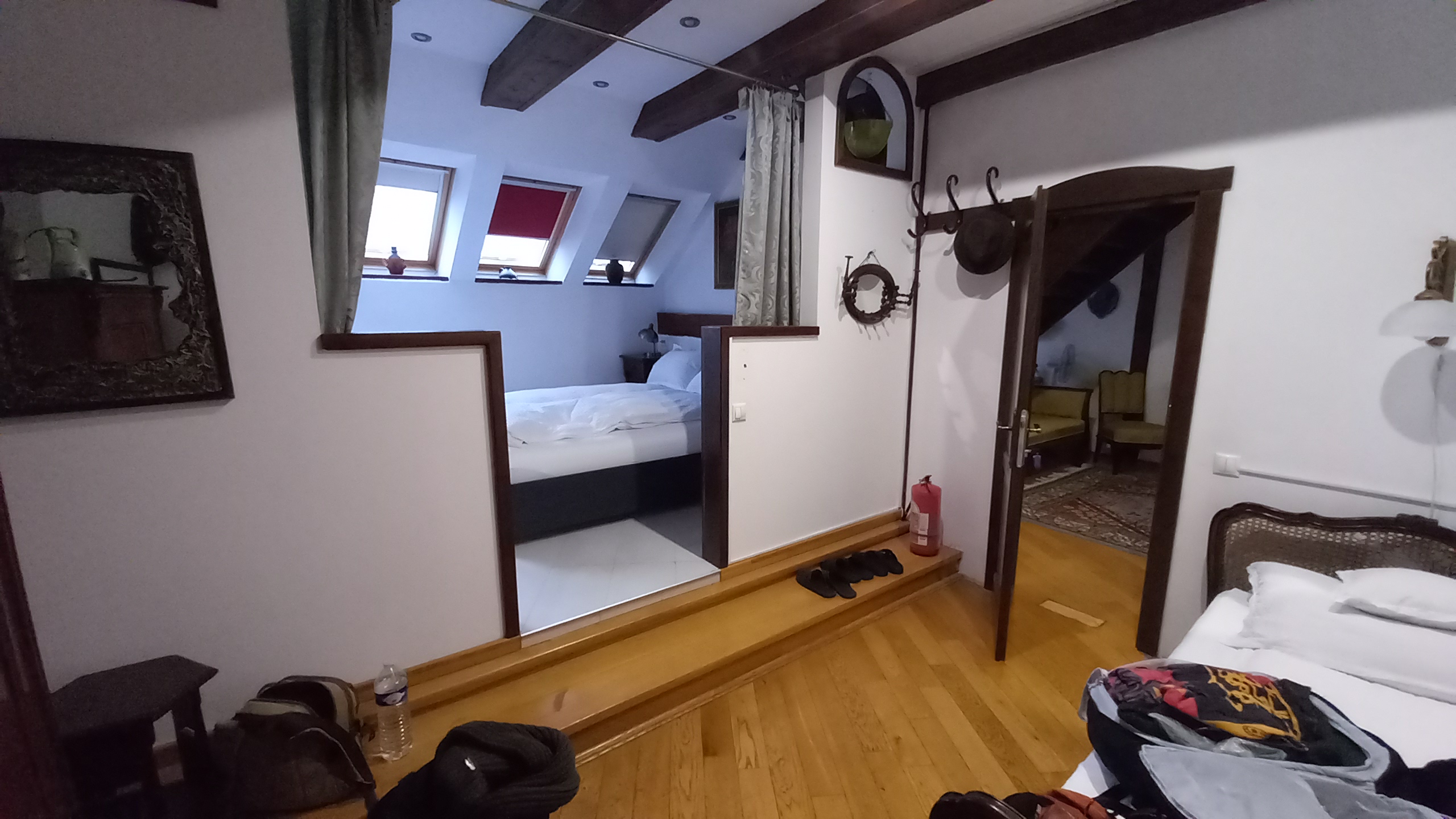
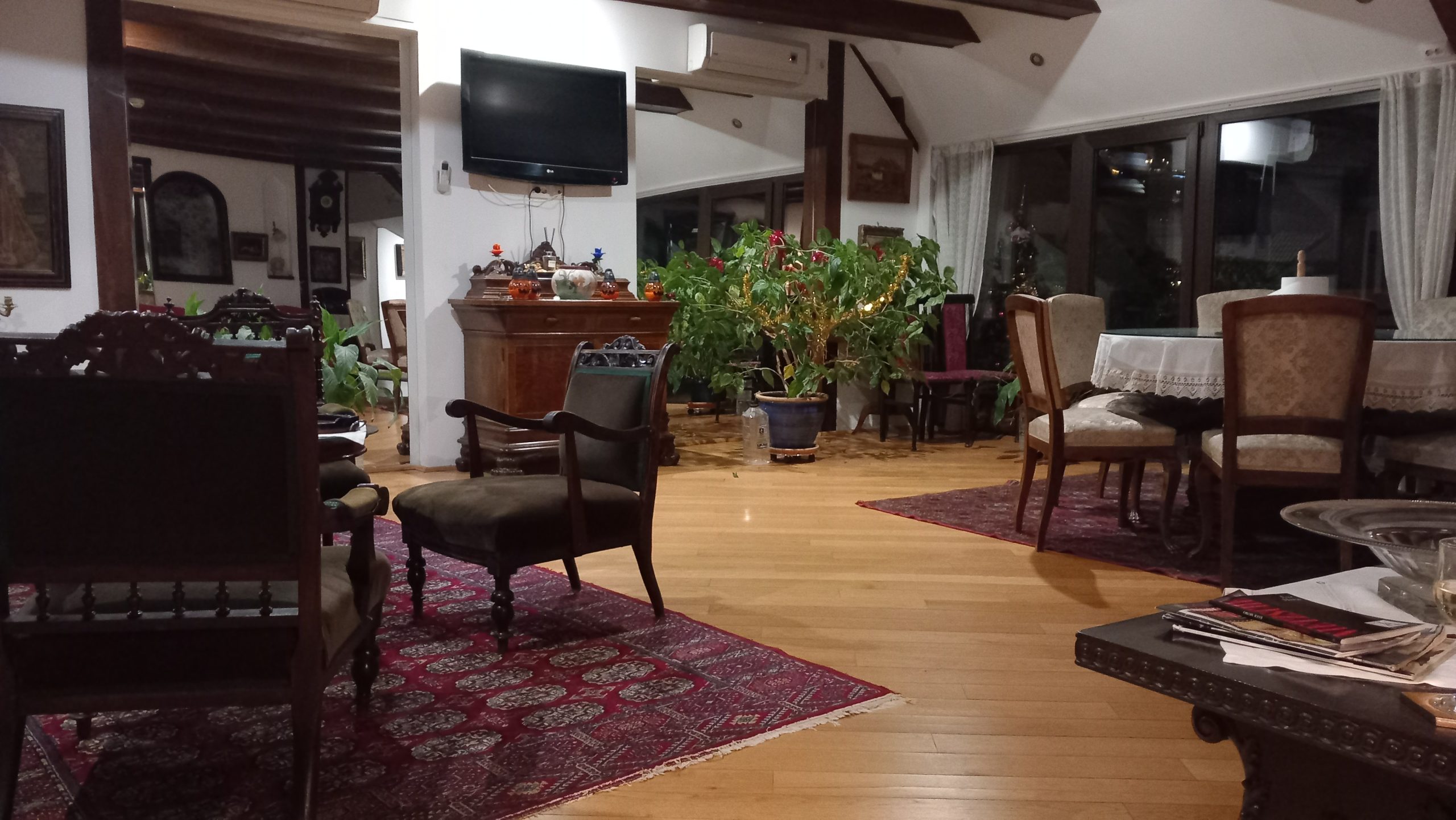
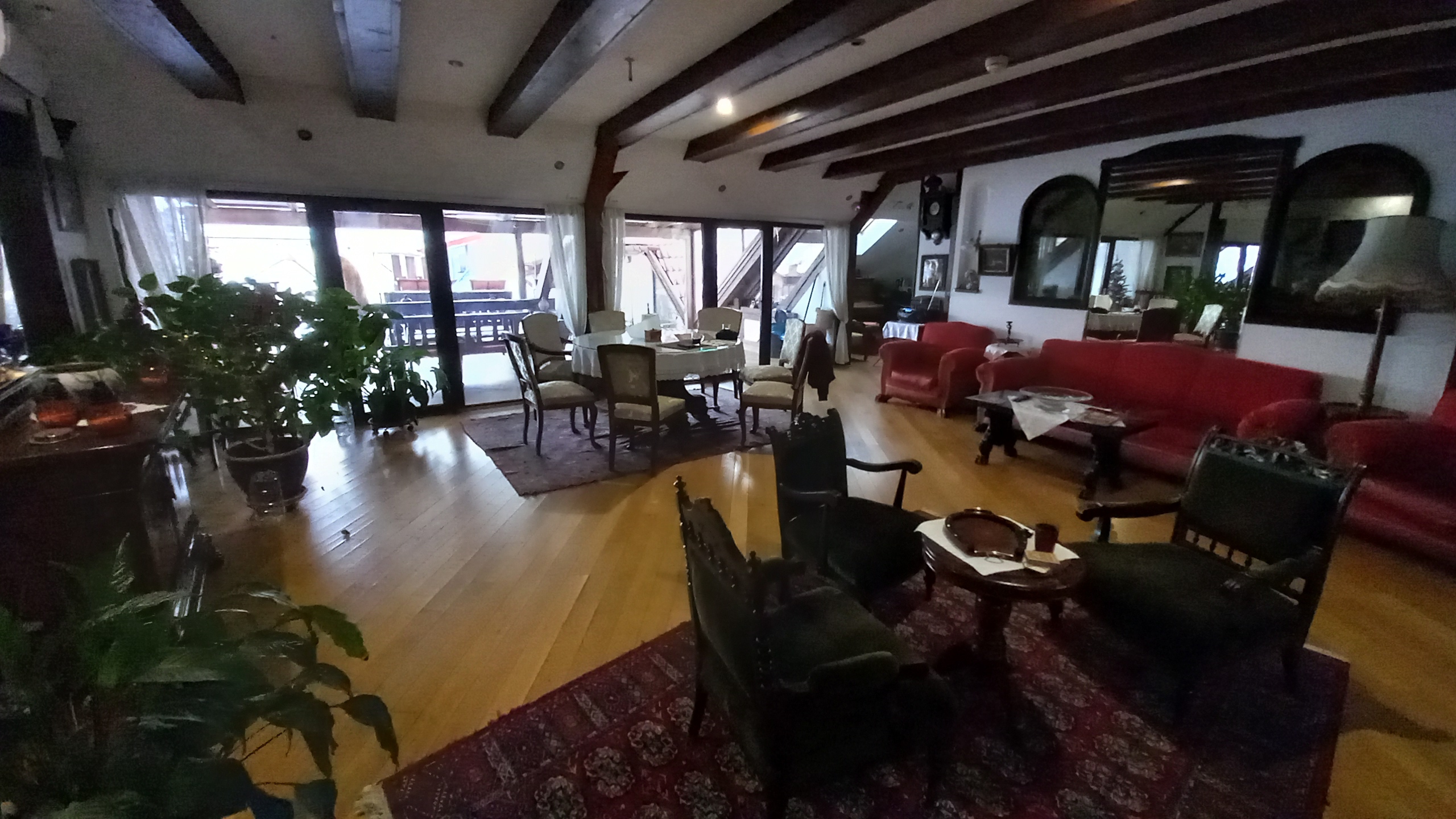
Also booked in advance was our accommodation. Described as a hotel, I’d say it was more like the soundstage set for a remake of La Boheme. Under the eaves, it offered sloping roofs, large communal areas to share with other guests, a kitchen, comfort and warmth with a touch of luxury, and came complete with baffling coffee machine, a slightly OCD hostess, and an out-of-tune piano. It was fab. Apart from the bathroom in our room, where someone had had a thing for levels. The WC stood on a raised dais, so taking the throne really was like taking a throne, and the shower was also raised about nine inches from the ground. Climbing up and in was easy, but it was also easy to forget you were on high, making stepping out of the thing something of a gamble.
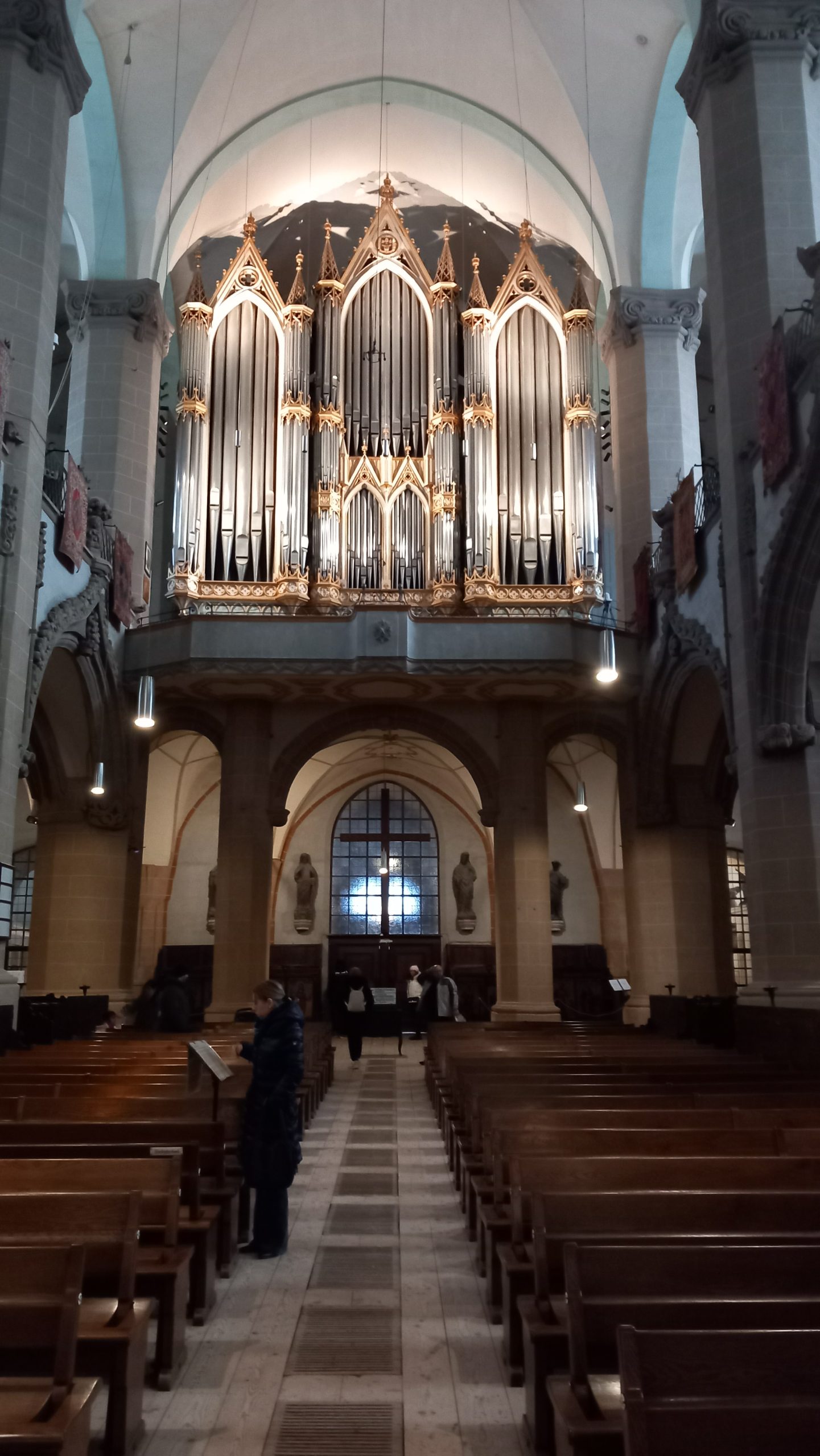
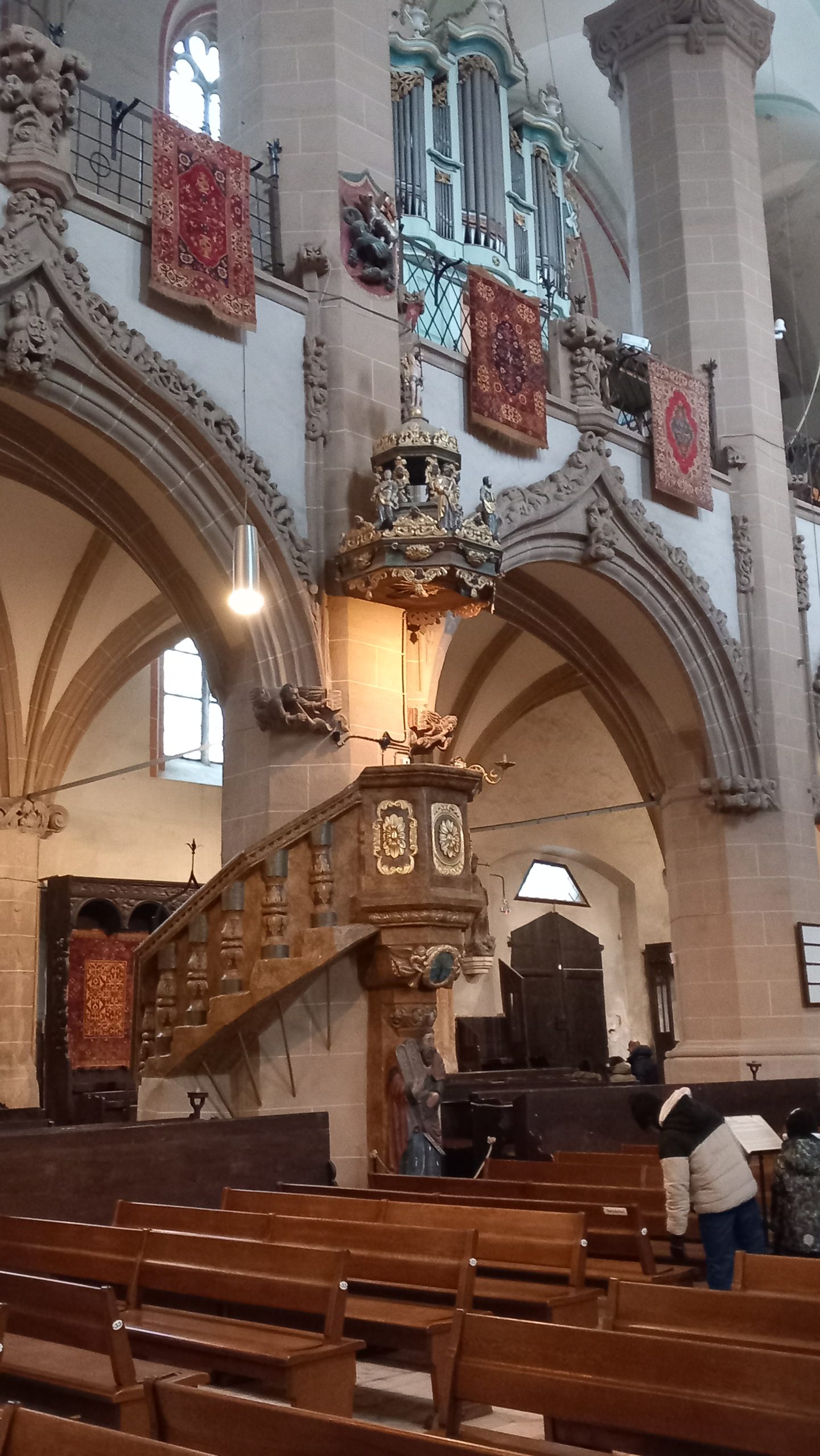
Again, it was a case of dropping bags and heading straight out for a gander. On my last visit here, I’d wanted to see inside the famous Black Church, but it had been closed. In the summer, they give organ concerts there at lunchtimes, but we weren’t so lucky in the winter, though we were able to go inside. This church has the largest mechanical working pipe organ in Romania, the notes tell me, and we admired it from a distance, as we also admired the medieval tapestries and other treasures. Originally dedicated to St Mary, the church is now named the Black Church because of a fire that destroyed most of the city in 1689. The church was blackened, and the name stuck. Interestingly, that was only 23 years after the Great Fire of London. I don’t know why that’s interesting, though. It just is.
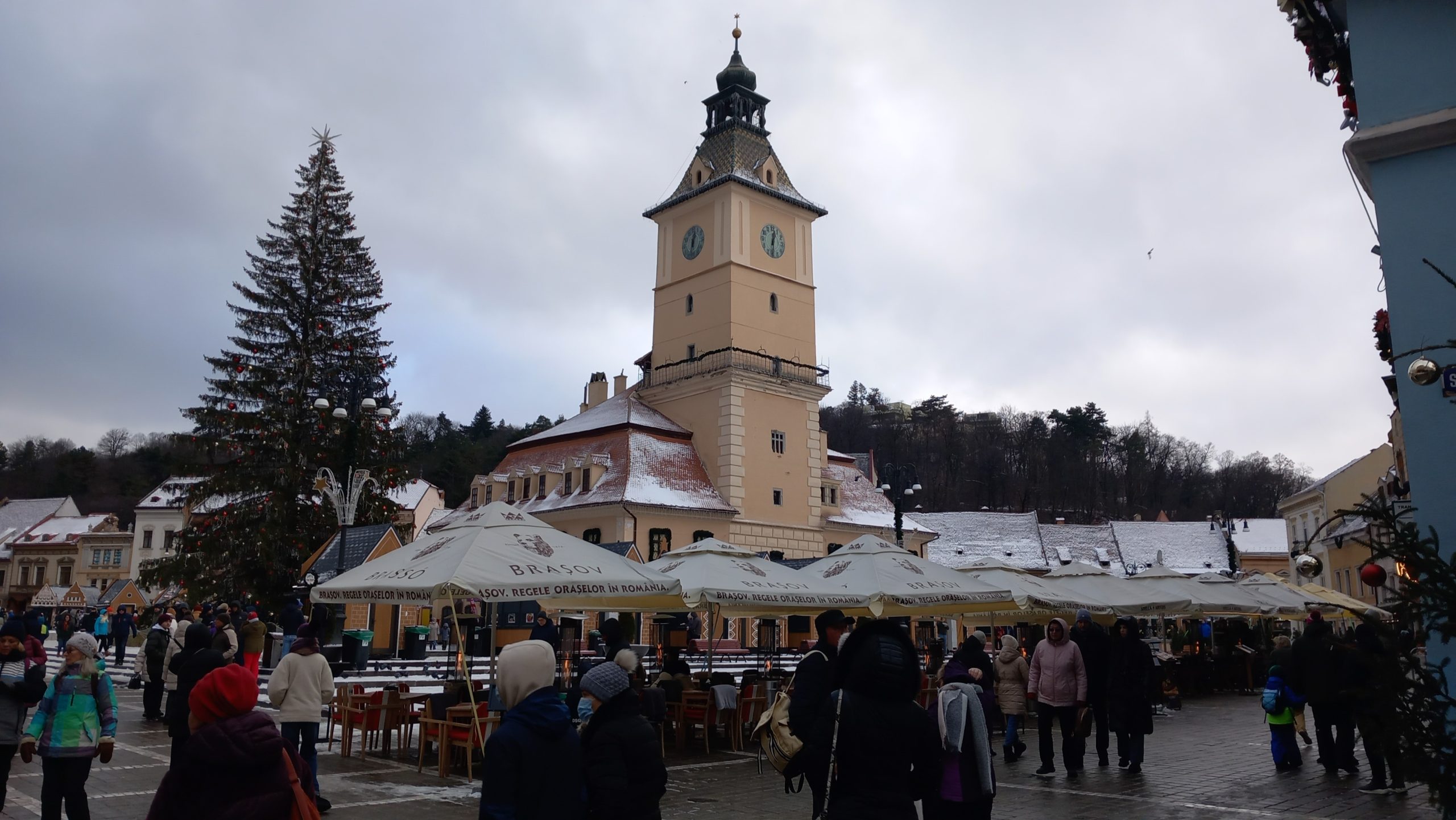
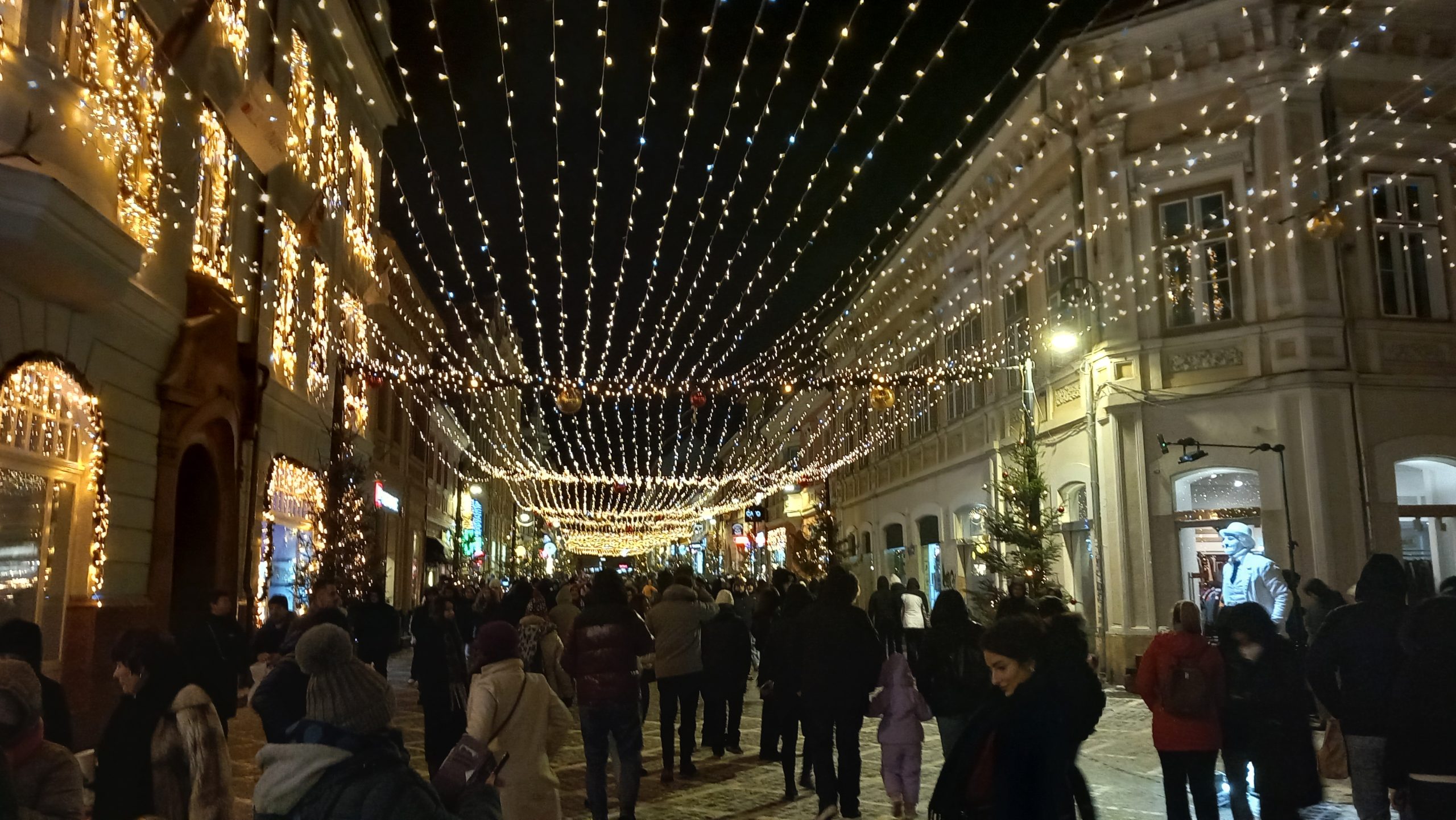
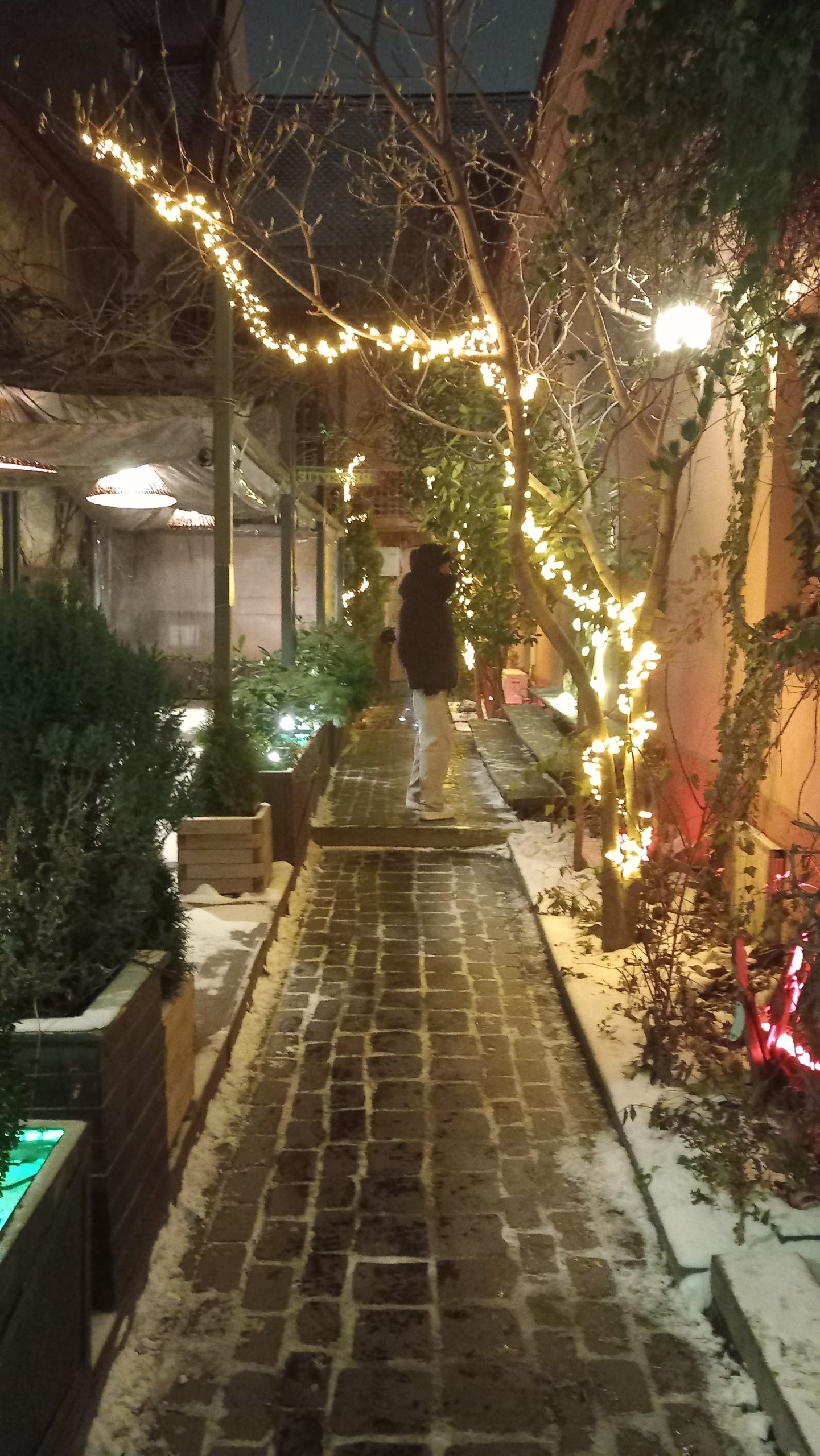
As was the rest of the old part of town, which isn’t that big, so it’s easy to walk around. Except when it’s the Christmas period, and everyone has come in to see the market, to chill, perhaps to stay and visit relatives, or go skiing nearby. Whatever the reason for it, the place was heaving with people, and finding an eatery was often a case of either being lucky to get a table or having to wait. We were on the lucky side of things because we never had a problem finding somewhere to eat, the food was plentiful, and the local wines were spot on.
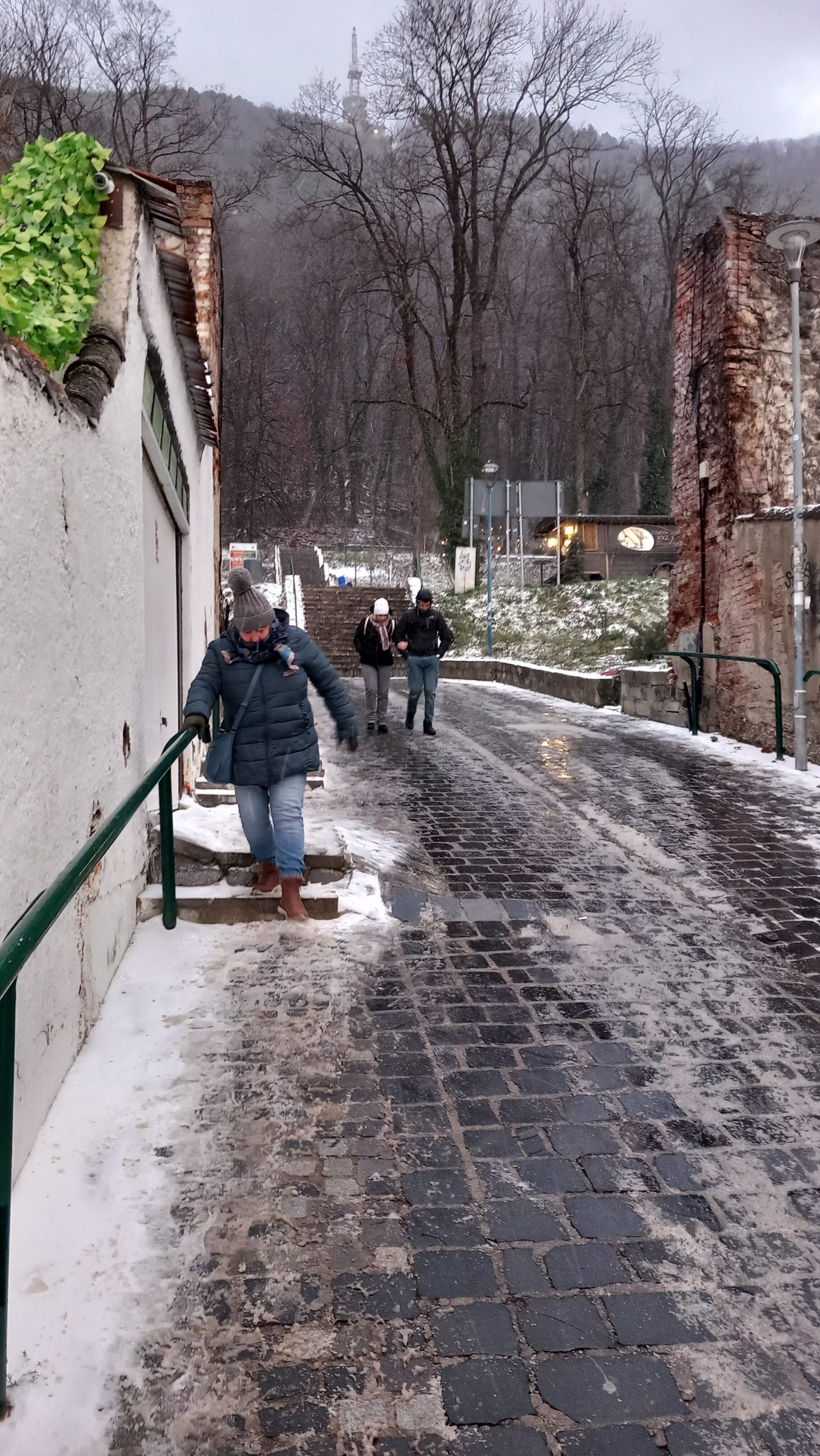
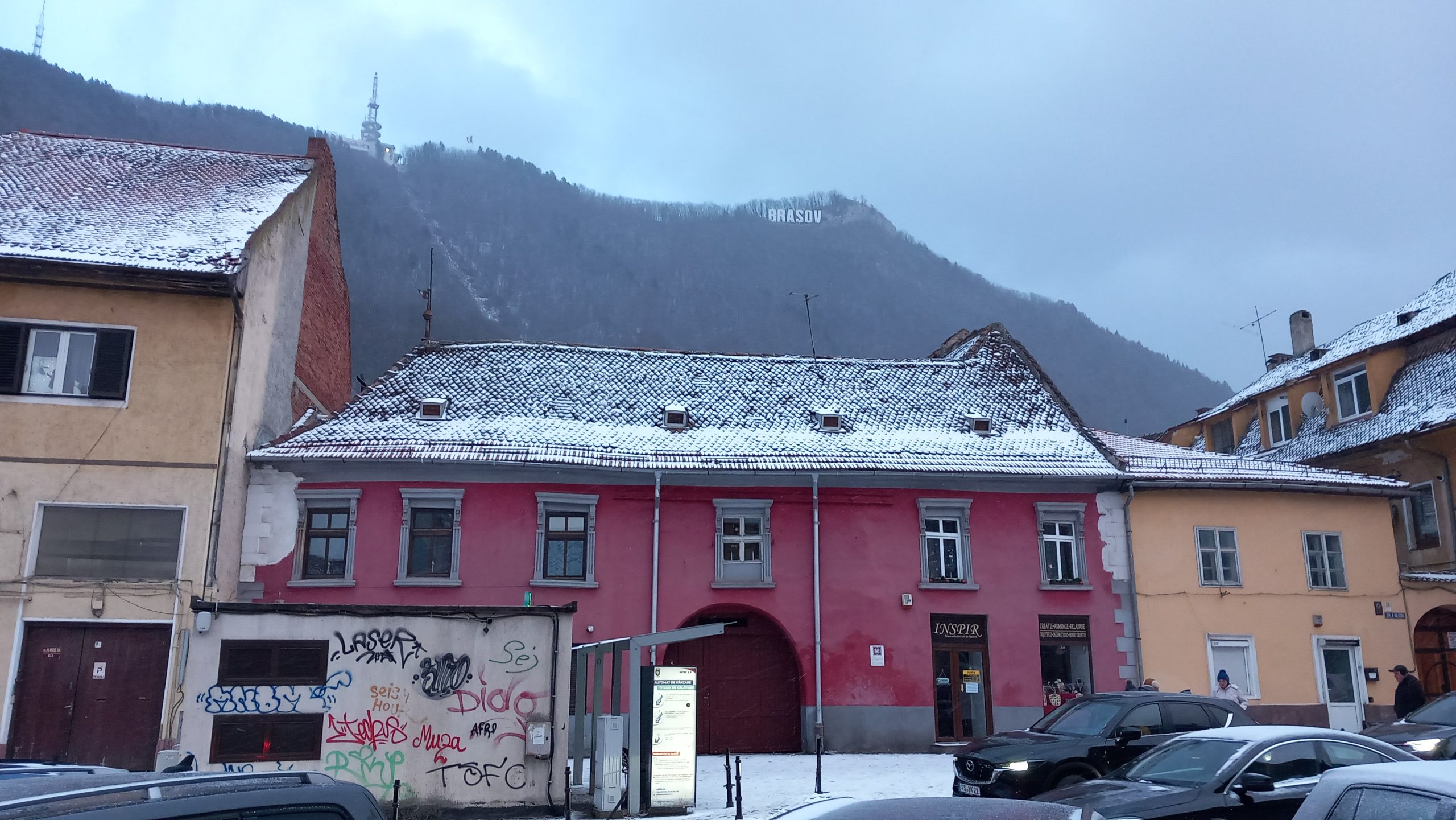
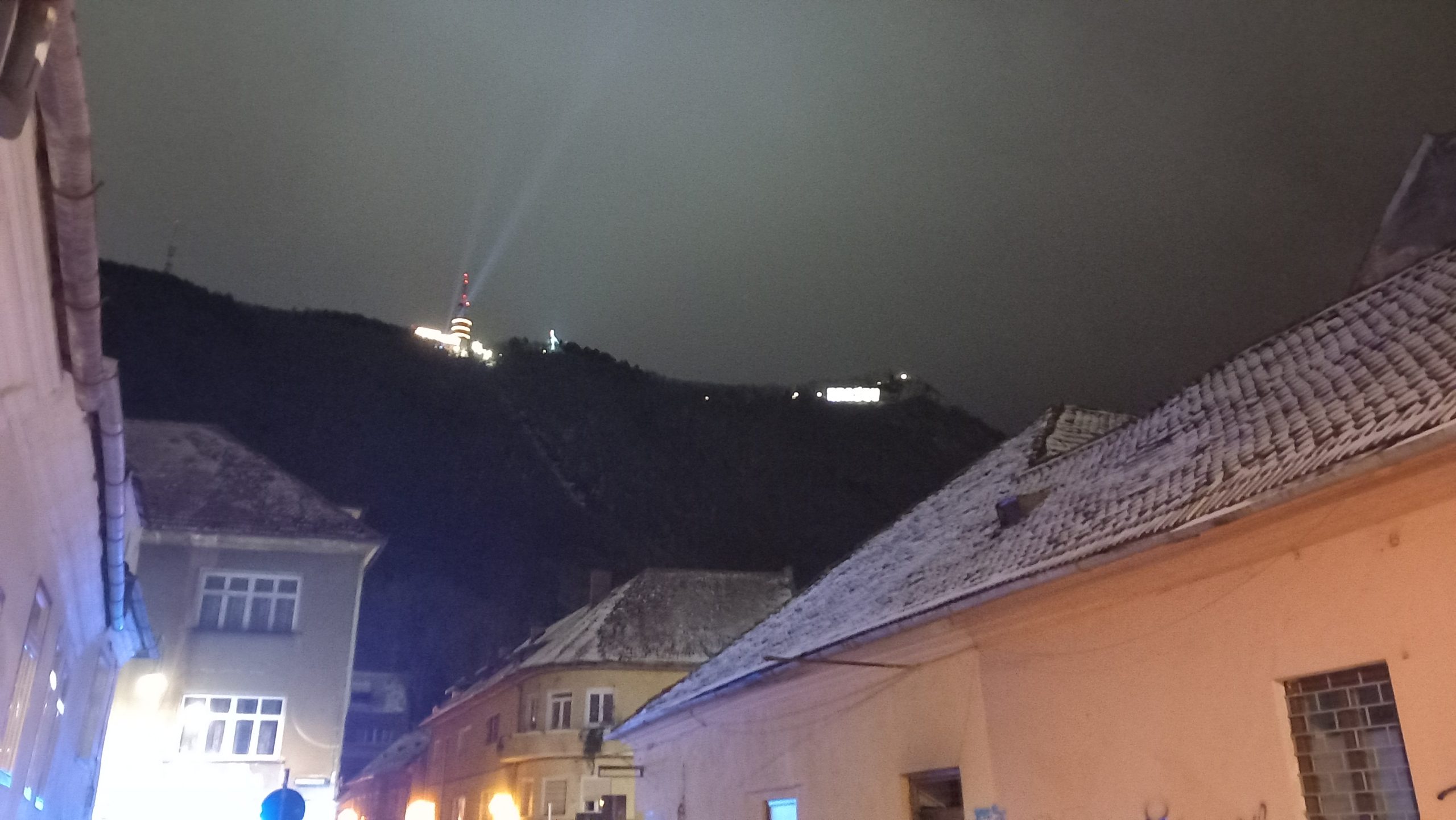
We did do one crazy thing that day. The city is surrounded by the Carpathian Mountains, and overlooking the city is Tâmpa Mountain. On the side of it, they’ve erected a massive sign showing the town’s name, a little like we have in Symi right now. (Up on the road overlooking the harbour, we have a large (ish) sign saying ‘Symi’, except smaller and lower down. Much lower down. I should try for a photo one day.) To reach the visitable summit of Tâmpa Mountain requires either a very long walk or a cable car. We took the latter, and looked down on poor souls hiking to the top in the afternoon flurries, no doubt freezing their fingers off and either getting a rush from their sport, or wishing they had never bothered.
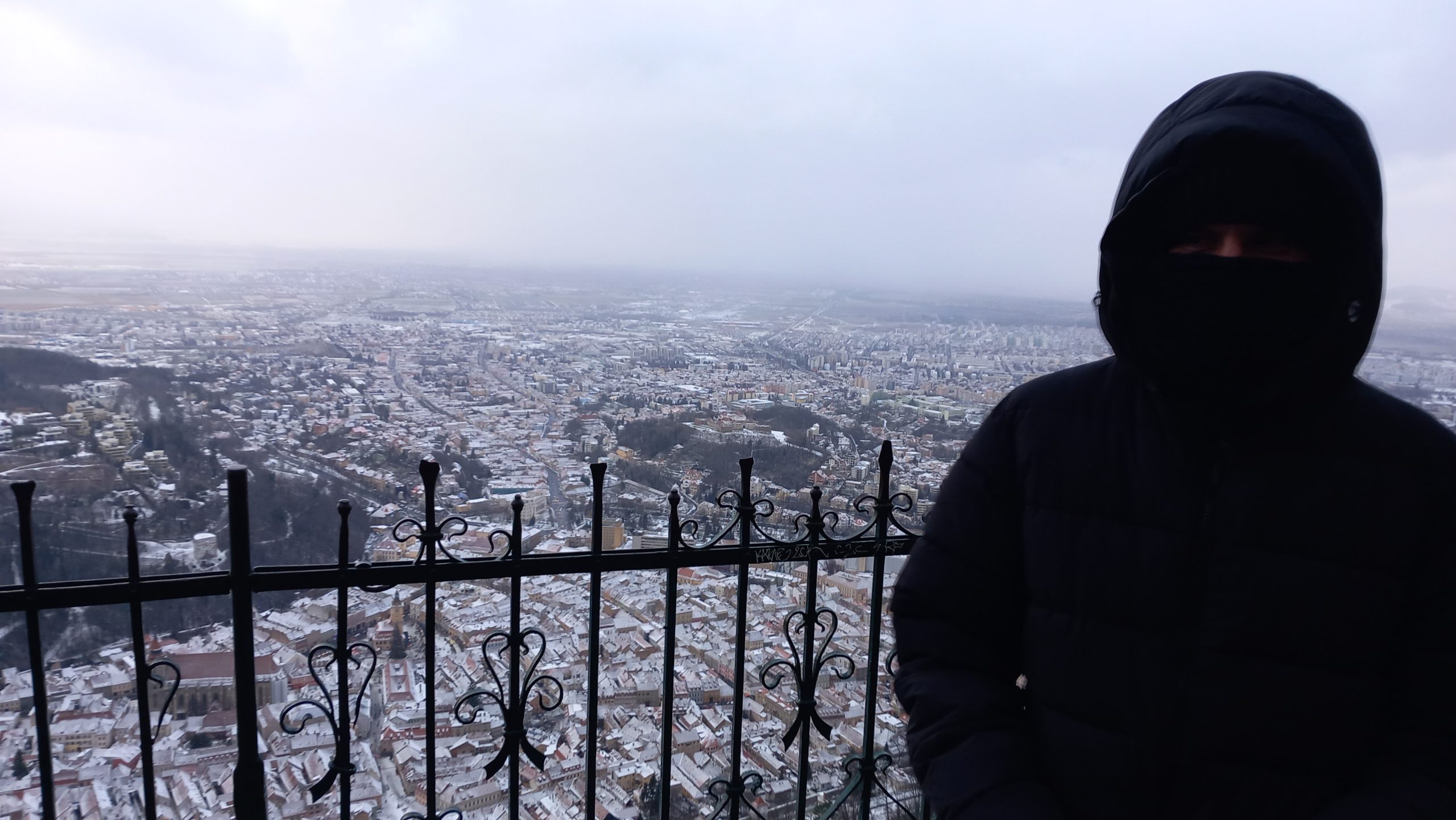
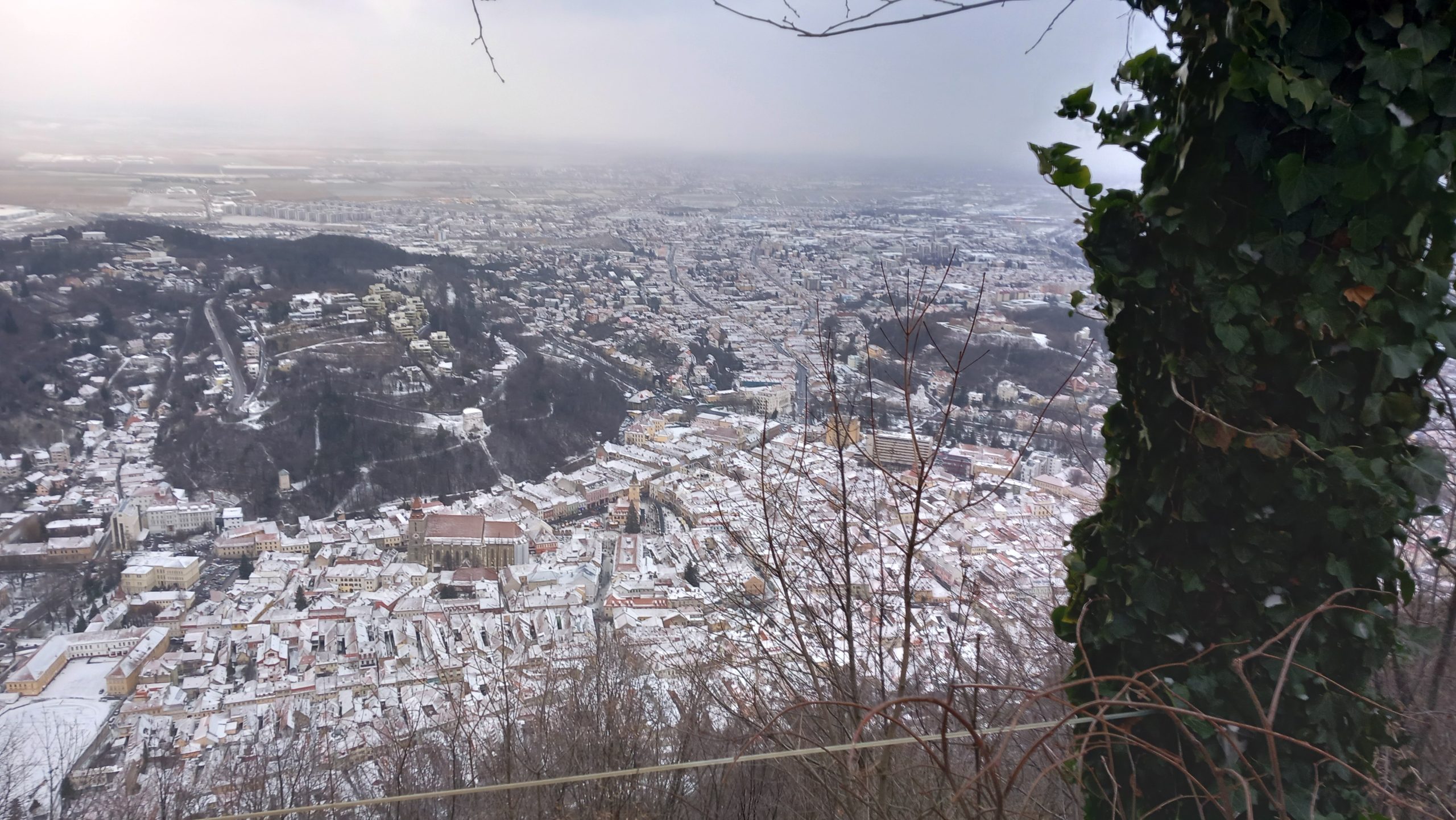
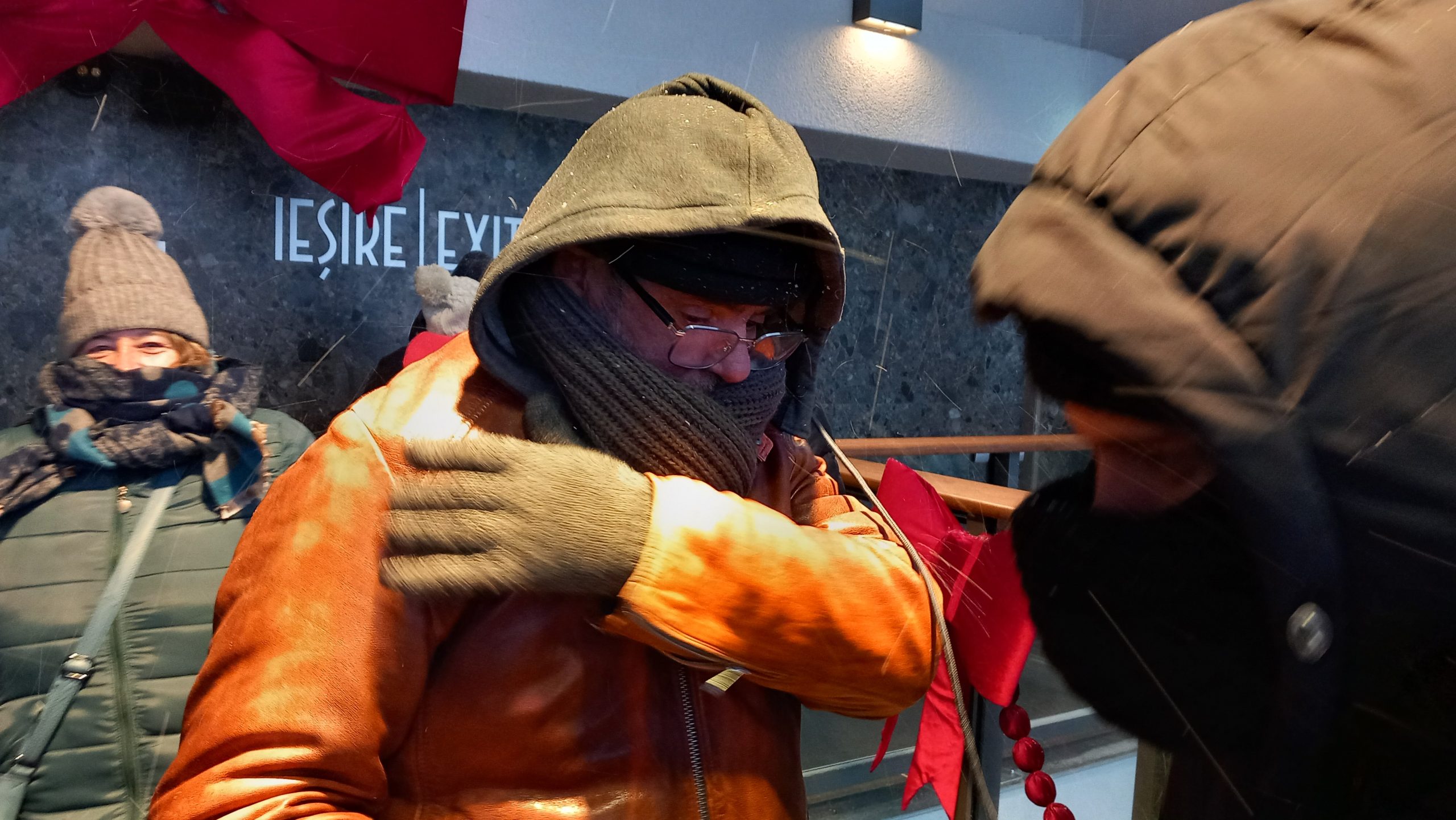
The reward for this upward journey was the view. On the day we were there, the clouds were hanging low over the Carpathians to the east, and hiding most of the valley ahead of us, so the view was mainly of the snow-dusted town from a couple of thousand feet up. It was freezing. The wind was blowing in, lowering the already below-zero temperatures, and we didn’t stay admiring the place for long. We were soon inside the summit hotel, sipping various varieties of coffee to warm us up.
The rest of the day was about sightseeing and shopping at the local supermarket, which was reminiscent of Sotiris’ super market in Horio, but without the cats. On the way to dinner, we caught one of the local and ancient rituals being played out in the street. In the Jocul Ursului, the ‘Bear Dance’, people in heavy bear costumes dance to drums and flutes, symbolizing the death and rebirth of nature, warding off evil spirits, and bringing good luck/health for the new year. And there they were, drumming and dancing through the glittery streets on a cold December evening, making a lot of noise and causing a lot of cheer, and giving us an unusual sight to remember. We encountered another troupe at the railway station a couple of days later, but that wasn’t as magical.
Here’s a minute of noisy video.
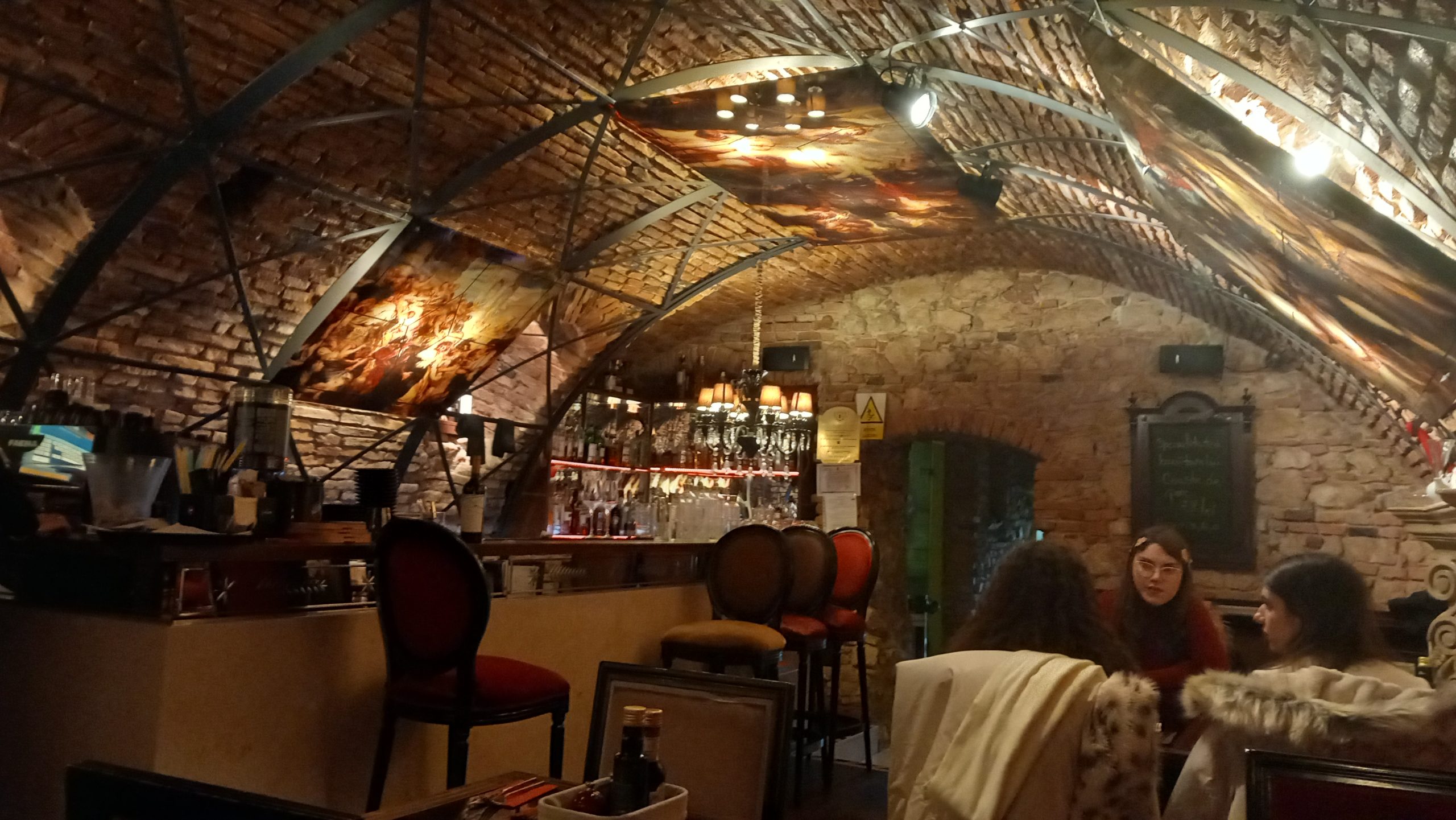
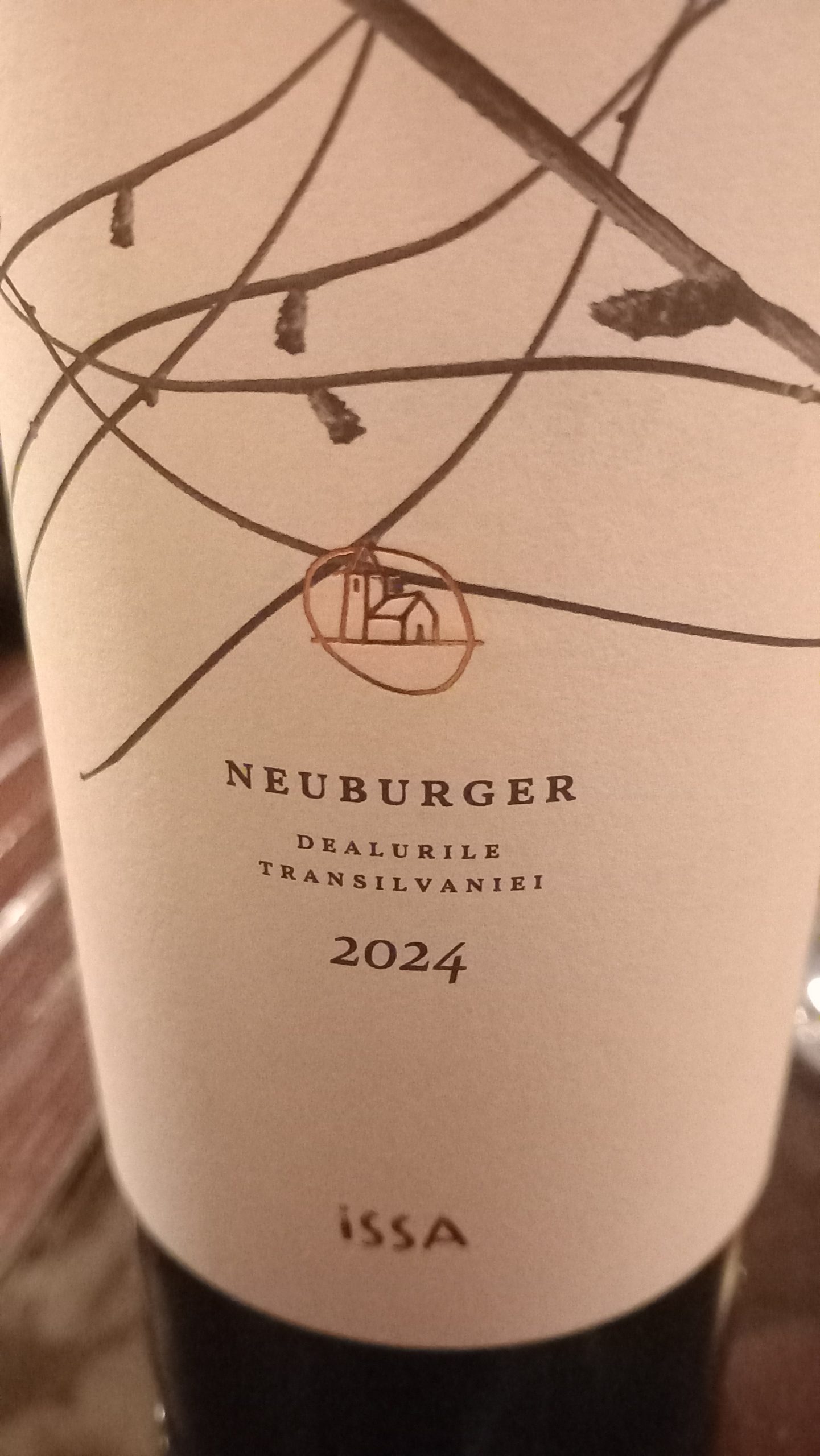
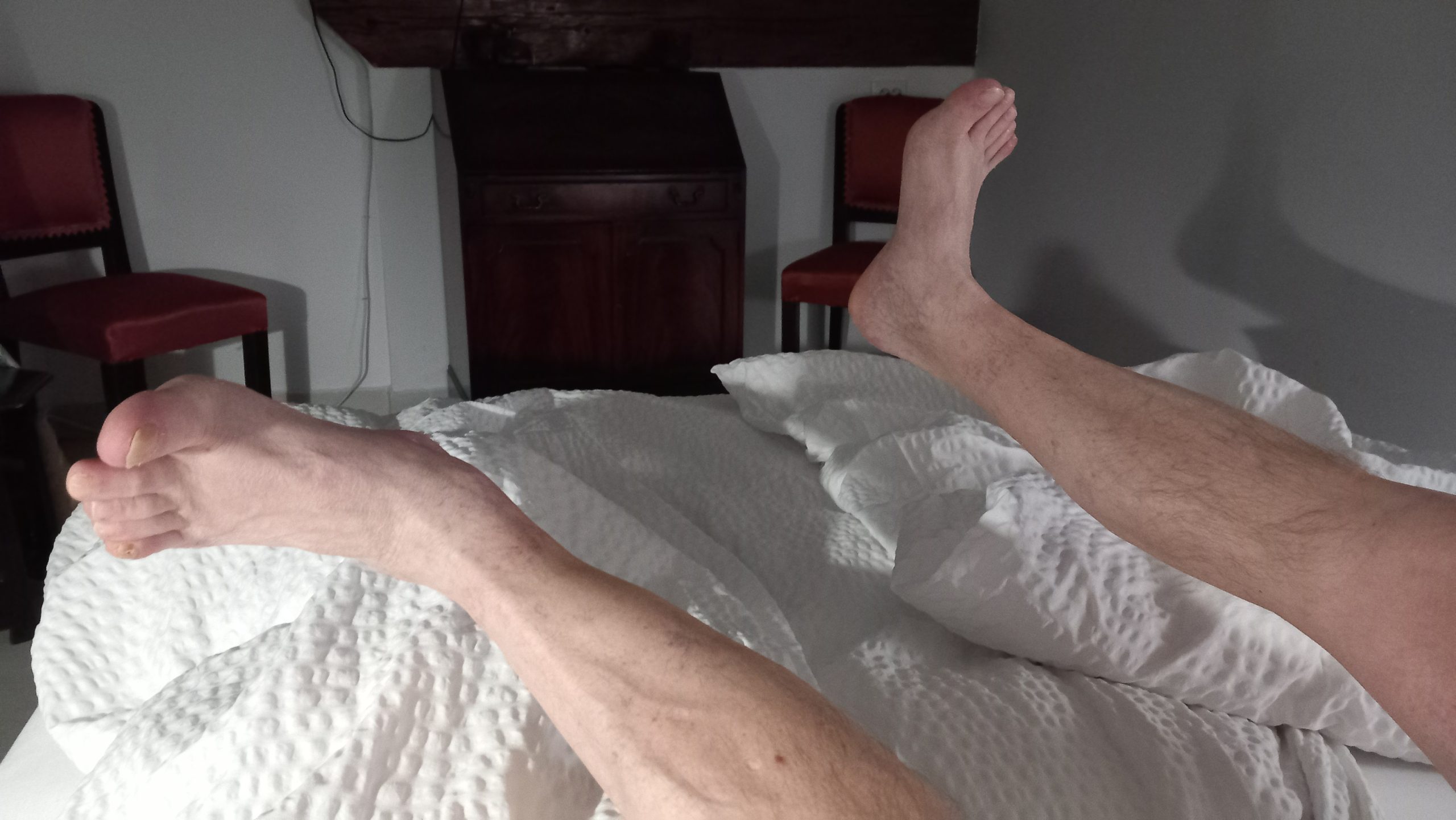
Afterwards: Dinner in a cavern, some excellent Transylvanian wine, a chilly walk back to the Attic of Antiquities to rest, relax, and finally stop travelling. It felt like we’d been on the go since yesterday morning when we left… Where were we yesterday morning? Prague! That was it. Trams, trains, two countries, taxi, cable car, it was definitely time to put the feet up.
Tomorrow, Dracula Land. Now, today’s gallery: